
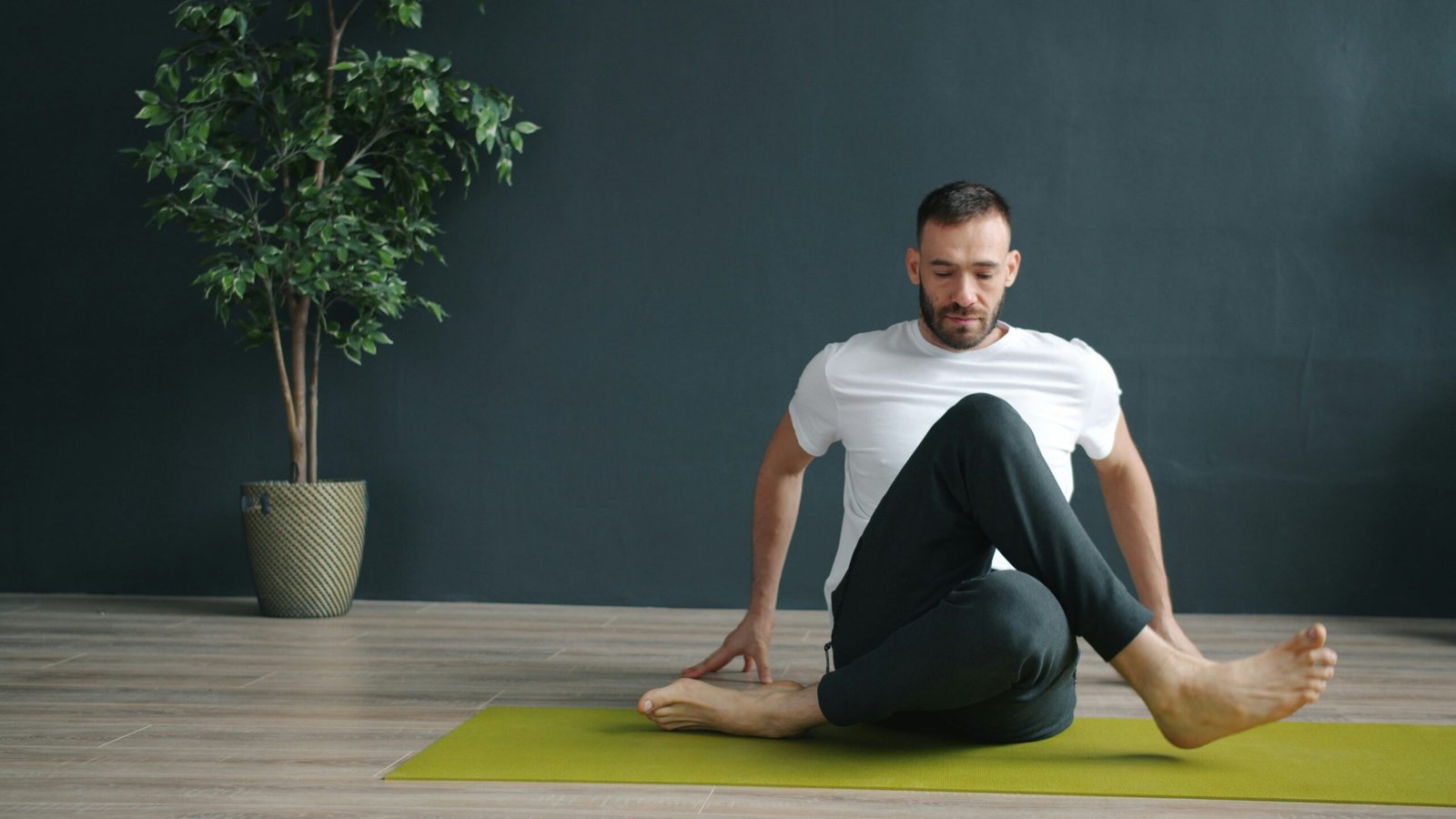
Flexibility is one of the most important aspects of physical fitness. It improves posture, reduces the risk of injury, and enhances overall mobility. Yoga is a gentle yet effective way to increase flexibility, strengthen muscles, and calm the mind. By incorporating a consistent yoga routine into your daily life, you can gradually loosen tight muscles, improve joint movement, and enjoy a more balanced, agile body.
Benefits of Yoga for Flexibility
Yoga is not just about touching your toes—it is about developing a body that moves freely and efficiently. Practicing yoga regularly can help:
- Increase the range of motion in joints
- Reduce muscle stiffness and soreness
- Improve posture and alignment
- Enhance balance and coordination
- Promote relaxation and reduce stress
Flexibility gained through yoga also supports other forms of exercise, making daily activities easier and reducing the likelihood of injuries.
Preparing for Your Yoga Session
Before starting a yoga routine for flexibility, it is important to create a comfortable environment. Find a quiet space with enough room to stretch and use a yoga mat for support. Wear comfortable clothing that allows freedom of movement. Begin your session with 5–10 minutes of gentle warm-up stretches, such as neck rolls, shoulder shrugs, and gentle torso twists, to prepare your body and prevent strain.
Yoga Poses for Flexibility
1. Downward Dog (Adho Mukha Svanasana)
This pose stretches the hamstrings, calves, and spine. Start on all fours, lift your hips toward the ceiling, and straighten your legs. Keep your hands shoulder-width apart and press your heels gently toward the floor. Hold for 30–60 seconds, breathing deeply.
2. Cat-Cow Stretch (Marjaryasana-Bitilasana)
The Cat-Cow sequence warms up the spine and stretches the back and abdominal muscles. Begin on all fours, arch your back downward while lifting your head and tailbone (Cow), then round your spine upward while tucking your chin (Cat). Repeat 8–10 times in a slow, controlled rhythm.
3. Seated Forward Bend (Paschimottanasana)
This pose stretches the hamstrings, lower back, and shoulders. Sit with your legs extended straight in front, hinge at the hips, and reach toward your feet. Keep your spine long and breathe deeply. Hold for 30–60 seconds.
4. Butterfly Pose (Baddha Konasana)
Ideal for opening the hips and inner thighs, sit with your feet together and knees bent outward. Gently press your knees toward the floor, keeping your spine upright. Hold for 1–2 minutes while breathing steadily.
5. Low Lunge (Anjaneyasana)
The low lunge stretches the hip flexors, thighs, and groin. Step one foot forward into a lunge position, keeping the back knee on the ground. Lift your arms overhead and gently arch your back. Hold for 30 seconds on each side.
Tips for Improving Flexibility
- Practice consistently, even 15–20 minutes daily, for noticeable results.
- Never force a stretch; flexibility improves gradually.
- Breathe deeply to help muscles relax during poses.
- Warm up before and cool down after your session.
- Pair yoga with hydration and balanced nutrition to support muscle recovery.
Conclusion
A yoga routine focused on flexibility can transform your body, improve movement, and enhance overall well-being. By practicing key poses such as Downward Dog, Seated Forward Bend, and Low Lunge regularly, you can increase mobility, reduce stiffness, and prevent injuries. Remember, flexibility is built over time, so consistency and mindful practice are the keys to long-term results. Yoga is not only a physical practice but also a path to mental calmness, making it an ideal routine for holistic health.

One thought on “Yoga Routine for Flexibility”