
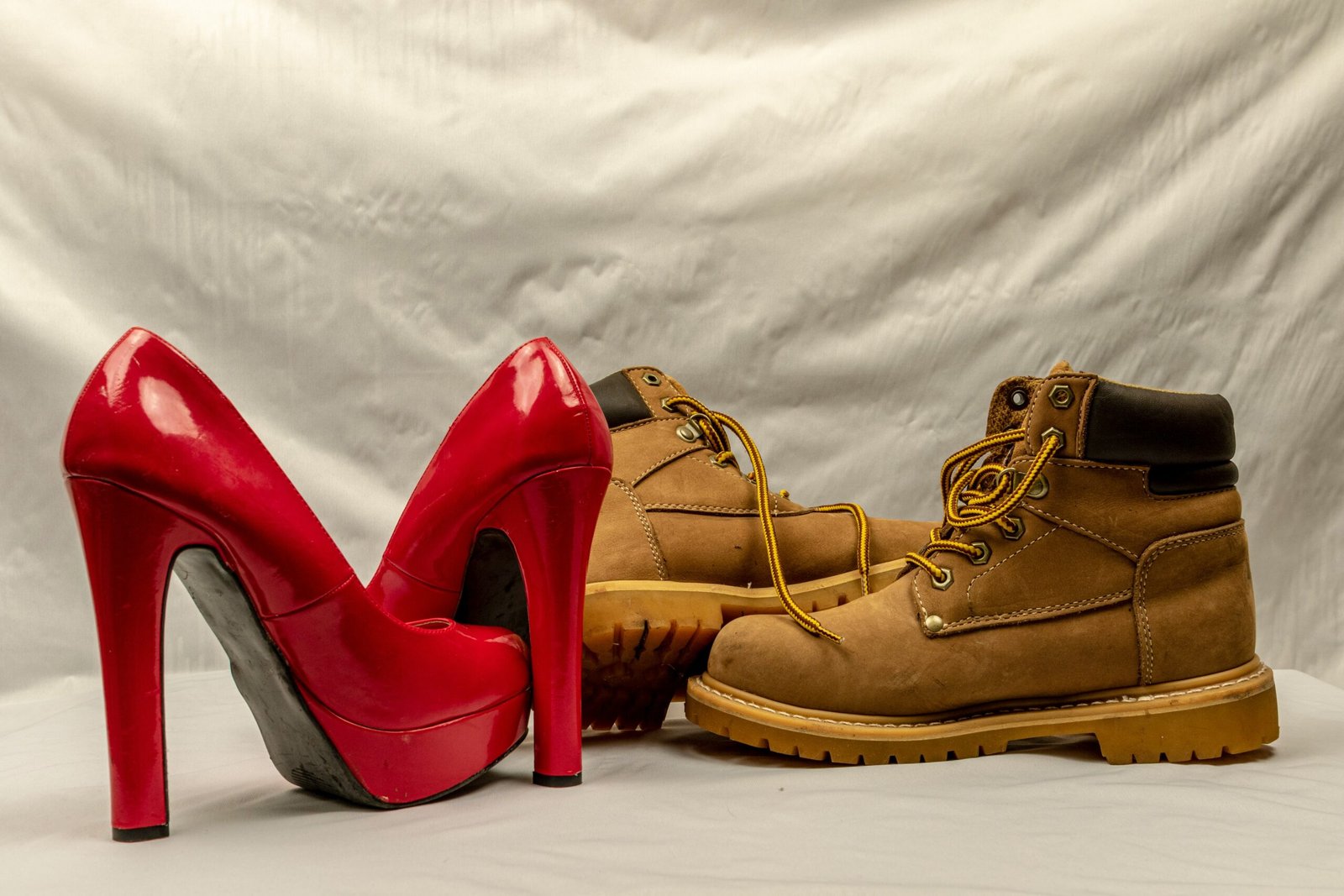
When it comes to choosing the right footwear, women’s sneakers and athletic shoes are more than just a fashion statement. They are a crucial part of your daily activity, workouts, and overall foot health. Whether you’re hitting the pavement, pounding the treadmill, or chasing after kids, the right pair can improve performance, reduce fatigue, and prevent injuries. Here’s a practical guide to help you navigate the options and find sneakers that fit your needs.
First, consider your activity. Different activities demand different features:
- Running shoes: Look for models with responsive cushioning, a secure midfoot, and a breathable upper. A slightly curved or rocker sole can help with forward propulsion, while a firm heel counter provides stability. If you overpronate (your foot rolls inward), consider stability or support shoes with medial posting.
- Cross-trainers: Versatility is key. These shoes blend lateral support with decent cushioning and a stable base, ideal for gym workouts, weightlifting, and short runs.
- Walking shoes: Prioritize comfort and arch support over speed. A flexible forefoot and a supportive, cushioned midsole make long walks more pleasant.
- Training/HIIT shoes: Lightweight construction, good grip, and a responsive bounce help during high-intensity moves and quick direction changes.
Fit and sizing are essential. Women’s feet come in varied shapes—think about toe box width, arch height, and heel fit. Always:
- Try shoes at the end of the day when feet are slightly swollen.
- Wear the same socks you’ll use for activity.
- Leave about a thumb’s width of space in front of your longest toe to prevent crowding and stubbing during runs or jumps.
- Check for a secure heel fit: your heel should not slip out when you walk or run.
Key features to look for:
- Cushioning: Ample midsole foam (such as EVA or proprietary foams) provides impact absorption. If you’re a heavier runner or logging long distances, consider models with extra support or a more durable foam.
- Stability: Shoes with a structured heel counter and a supportive midfoot help control excessive foot movement, reducing the risk of injuries.
- Breathability: A mesh or knit upper improves airflow, keeping your feet cooler during sweaty workouts.
- Outsole durability: A rubber outsole with a grippy tread improves traction on different surfaces. Look for carbon rubber or blown rubber in high-wear areas for longevity.
- Weight: Lighter shoes enhance speed and agility, but ensure you don’t sacrifice cushioning and support.
Style and personal preference matter. The market offers a broad spectrum of colors, patterns, and silhouettes. If you value sustainability, many brands now offer recycled materials and eco-friendly manufacturing practices. If you like a minimalist look, lightweight trainers can provide a clean aesthetic without bulk. For fashion-forward comfort, there are chic options that don’t compromise performance.
Brand diversity and price range make it feasible to find a great pair for any budget. Popular options often feature a blend of responsive foam, supportive uppers, and durable outsoles. When possible, visit a specialty store for a gait analysis or professional fitting. A trained associate can assess your stride, arch type, and overall foot mechanics, helping you select a model that aligns with your needs.
Caring for your sneakers extends their life. Rotate pairs to reduce wear, keep them clean and dry, and replace running shoes every 300–500 miles (or about 3–6 months for regular runners), depending on wear and comfort. If you notice persistent aches, pain, or reduced performance, it may be time to reassess size, fit, or footwear category.


One thought on “Women’s sneakers and athletic shoes”