
Bodyweight training uses your own body’s resistance to build strength, endurance, mobility, and confidence. It requires no special equipment, can be done almost anywhere, and scales with your fitness level. For beginners, the focus is on learning proper movement, building consistency, and laying a foundation for progression. A well-rounded program targets all major movement patterns: pushing, pulling, squatting, hinging, core stability, and mobility.
Principles of a Beginner-Friendly Program
- Consistency over intensity: Aim for regular workouts 2–4 times per week rather than rare, high-effort sessions.
- Progress gradually: Increase reps, sets, or difficulty in small steps to avoid burnout and injury.
- Master form first: Prioritize technique before adding volume or complexity.
- Balanced routine: Include exercises that work both front and back of the body to prevent imbalances.
- Warm-up and mobility: Start with 5–10 minutes of mobility work and light cardio to prepare joints and muscles.
- Listen to your body: Rest when needed and differentiate between fatigue and pain.
Sample 4-Week Beginner Plan
Note: Perform 3 sessions per week (e.g., Monday, Wednesday, Friday). Start with the easier variation if needed and progress as you gain confidence.
Week 1–2: Foundation
- Warm-up (5–10 minutes): brisk walk, arm circles, hip circles, ankle rolls
- Circuit (2 rounds):
- Squats: 8–12 reps
- Incline push-ups (hands on a bench or counter): 6–10 reps
- Glute bridges: 10–15 reps
- Inverted rows (under a sturdy table): 6–10 reps
- Bird dogs: 8 reps per side
- Plank: 20–30 seconds
- Cool-down: light stretching, especially hips, chest, and shoulders
Week 3–4: Build Capacity
- Warm-up (5–10 minutes)
- Circuit (3 rounds):
- Bodyweight squats or chair squats: 12–15 reps
- Push-ups (knee-supported if needed): 8–12 reps
- Hip hinges (glute bridges with march): 10–12 reps
- Negative pull-ups or bodyweight rows (use a low bar or suspension trainer if available): 4–6 reps
- Side planks: 15–20 seconds per side
- Dead bugs: 8–10 reps per side
- Cool-down: mobility sequence focusing on hips, shoulders, and back
Optional progression:
- Elevate push-ups with a raised surface to increase difficulty
- Transition from incline to standard push-ups
- Increase circuit rounds from 2–3 as endurance improves
- Add tempo: 2 seconds down, 1 second up for controlled movements
Exercise Library: Basic Movements
- Squat variations: air squats, chair squats, pulse squats
- Push variations: incline push-ups, knee push-ups, standard push-ups
- Hinge variations: hip thrusts, glute bridges, single-leg glute bridges
- Pull variations: inverted rows, bodyweight rows, towel rows (improvise if needed)
- Core variations: planks, side planks, dead bugs, bird dogs
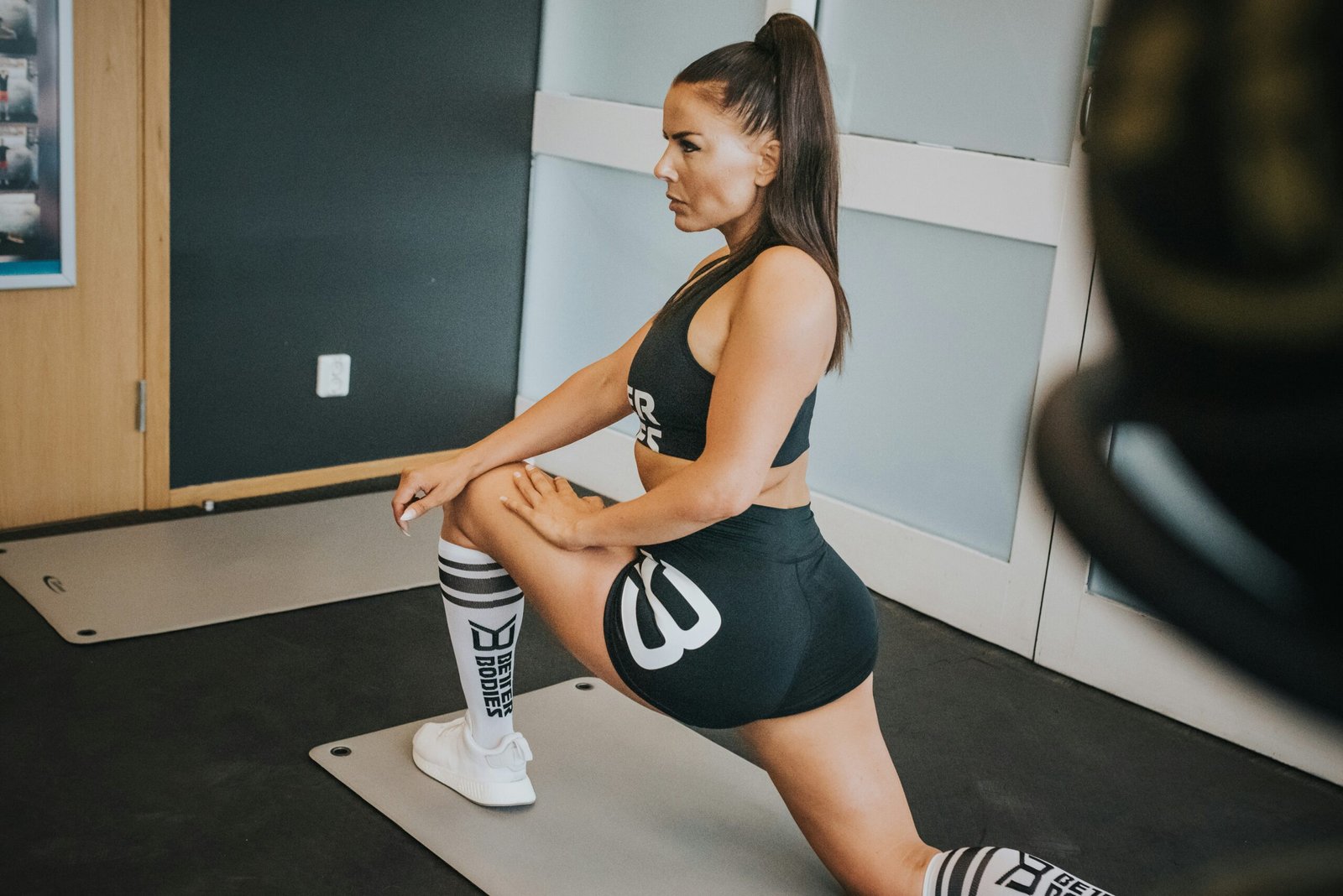
- Mobility/flexibility: thoracic spine twists, hip flexor stretch, hamstring stretch
Tips for safer movement:
- Maintain a neutral spine during squats and hinges.
- Engage the core to protect the lower back.
- Keep shoulders down and back during pushing and pulling.
- Breathe steadily: exhale on effort, inhale on release.
How to Track Progress
- Record reps and sets each session.
- Note how you feel during and after workouts.
- When a movement becomes too easy, increase reps by 2–3 or add a set.
- Once standard versions feel easy, progress to harder variations (e.g., regular push-ups to elevated feet).
Common Pitfalls and How to Avoid Them
- Skipping warm-ups: Always prep with mobility to reduce injury risk.
- Rushing through movements: Focus on form rather than speed.
- Overtraining: Allow rest days between workouts, especially as you start.
- Poor footwear or surface: Train on a stable, non-slip surface.
Final Thoughts
Starting with a structured bodyweight program gives beginners a sustainable path into fitness. Emphasize consistency, form, and gradual progression. As you build strength and confidence, you can incorporate more challenging variations, resistance bands, or light weights to continue progress. If you have any medical conditions or injuries, consider consulting a fitness professional or healthcare provider before beginning a new routine.

2 thoughts on “Why Start with Bodyweight Training?”