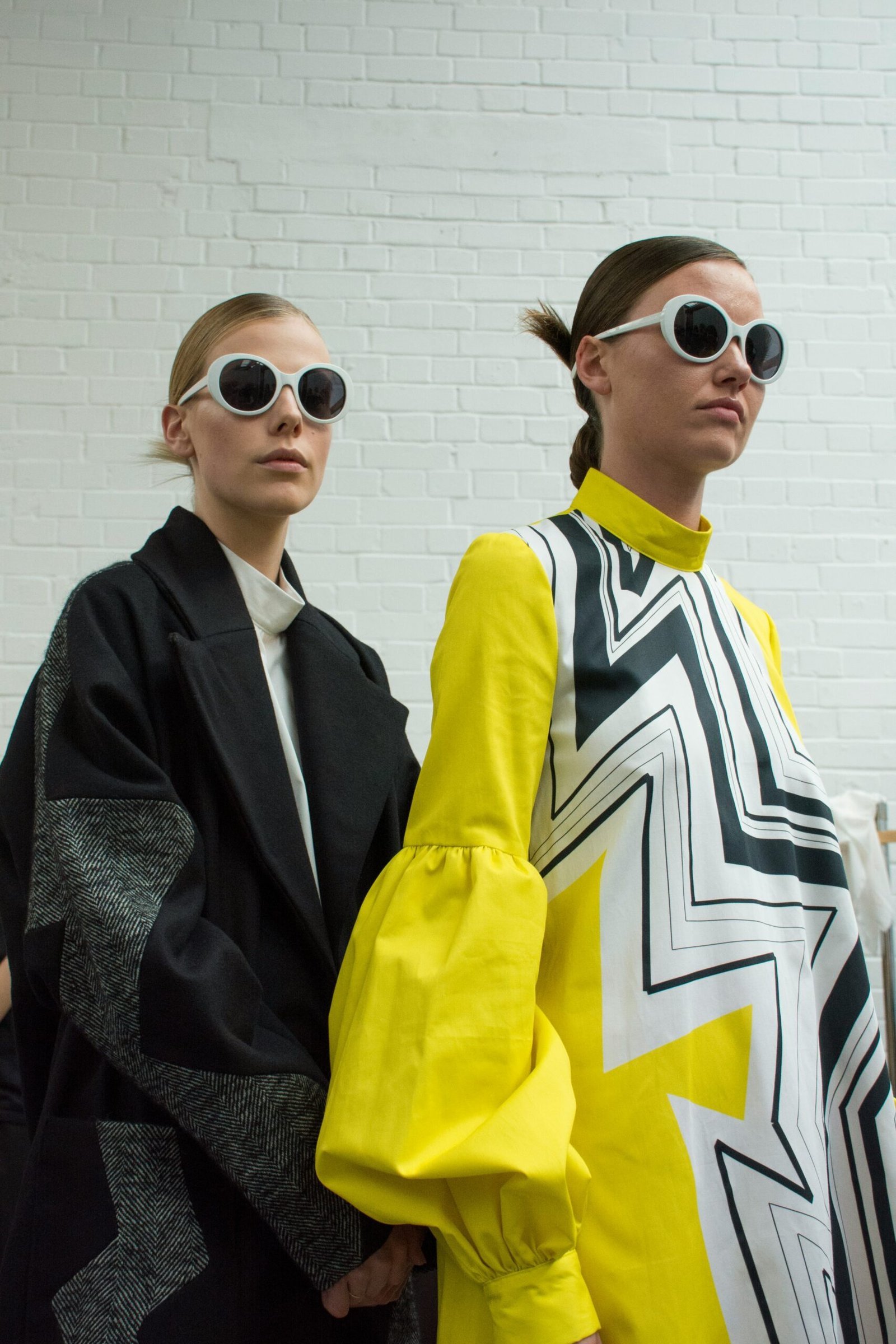
Fashion is more than clothing—it’s a reflection of culture, innovation, and identity. Throughout history, a few extraordinary fashion houses have not only set trends but also redefined how the world perceives style. Among them, four brands stand out for their lasting impact on global fashion, influencing everything from design philosophy to consumer expectations. Understanding their legacy helps us see how fashion continues to evolve today.
1. Chanel: Redefining Elegance and Freedom
Founded by Coco Chanel in 1910, Chanel revolutionized women’s fashion by blending elegance with comfort. Coco challenged the restrictive corsets and complicated designs of her time, introducing timeless pieces such as the little black dress, tweed jackets, and quilted handbags. Chanel’s innovations emphasized simplicity, practicality, and luxury—a combination that still guides designers today. By balancing classic style with modern adaptability, Chanel set a benchmark for wearable yet sophisticated fashion.
2. Dior: Transforming Silhouettes and Glamour
Christian Dior’s post-World War II “New Look” reshaped women’s fashion with cinched waists, full skirts, and an emphasis on femininity. Dior’s approach not only revived the French fashion industry but also created an aspirational image of elegance worldwide. Beyond couture, Dior pioneered marketing and branding strategies that connected fashion with lifestyle, making haute couture desirable to a broader audience. Its influence persists in modern design, from structured tailoring to glamorous eveningwear.
3. Gucci: Blending Tradition with Innovation
Gucci’s rise in the 20th century demonstrates the power of blending heritage with creativity. Known for its Italian craftsmanship, luxurious leather goods, and iconic motifs, Gucci successfully merged traditional techniques with bold, modern designs. In recent years, under visionary creative directors, the brand embraced streetwear aesthetics, digital campaigns, and celebrity collaborations, showing how fashion houses can stay relevant by innovating while honoring their history.
4. Prada: Pushing Boundaries and Experimentation
Since its founding in 1913, Prada has been synonymous with experimentation and intellectual design. Prada challenged conventional aesthetics by introducing minimalism, unconventional materials, and edgy, conceptual designs. Its focus on research-driven creativity has influenced the way contemporary fashion interprets form, texture, and function. Prada’s dedication to risk-taking encourages designers to explore ideas beyond traditional beauty standards, shaping the future of avant-garde fashion.