
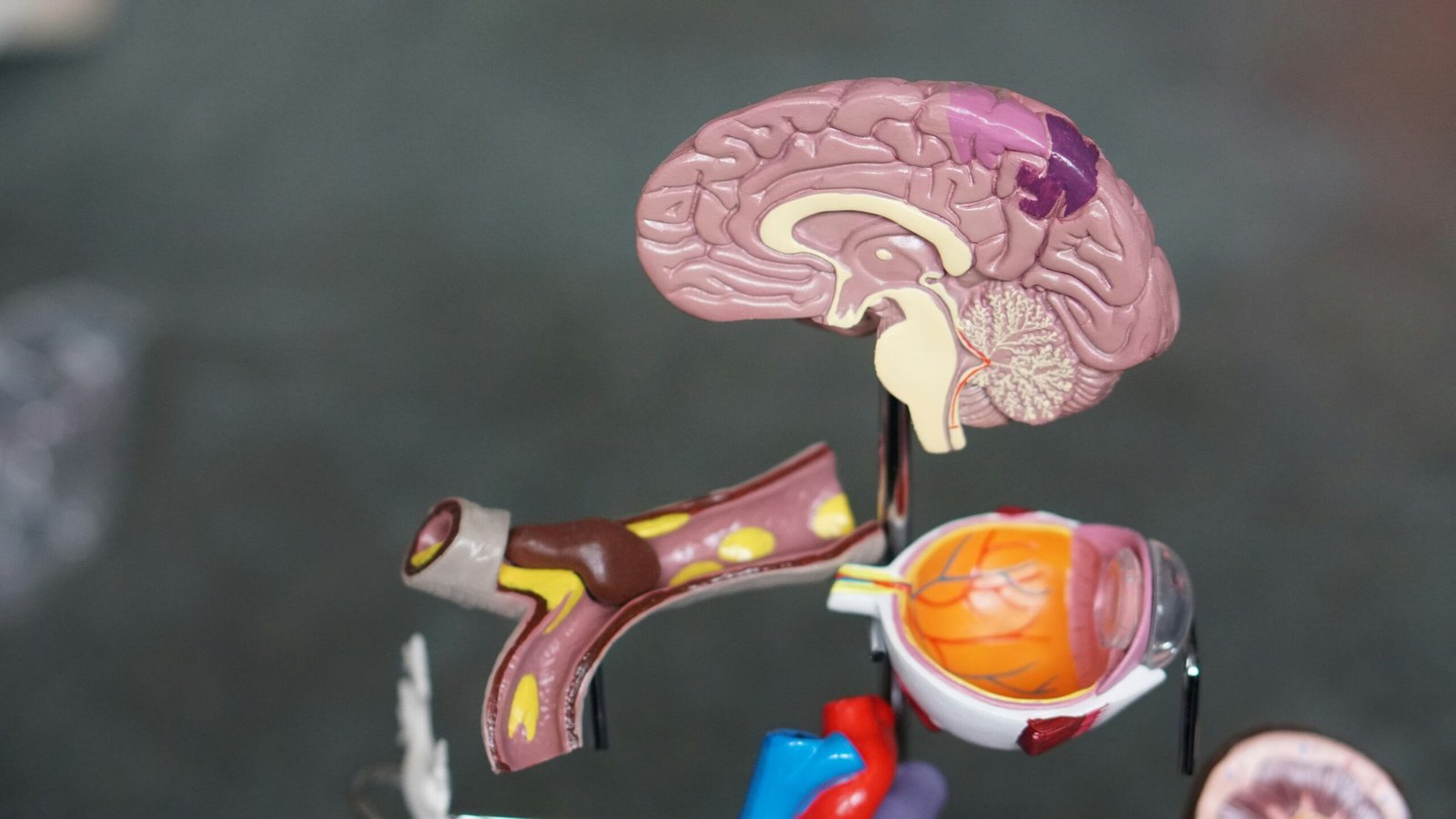
the menopause brain isn’t just about hot flashes and mood swings. For many people, it also brings changes in thinking and memory commonly described as “brain fog.” This experience varies widely—from a few moments of mental fatigue to persistent difficulties with concentration and word-finding. While it can feel isolating, brain fog during perimenopause and menopause is a recognized symptom with multifactorial roots and actionable strategies.
What is the menopause brain fog?
Brain fog is a set of cognitive changes that people may notice during the transition into menopause. Typical features include:
- Difficulty concentrating or sustained attention
- Short-term memory lapses or trouble recalling words
- Slower thinking or mental fatigue after mental effort
- Challenges with multitasking or quick decision-making
The causes are complex and interwoven. Hormonal shifts, especially drops in estrogen and progesterone, can influence neurotransmitter systems involved in memory and mood. Sleep disruption—often from night sweats or insomnia—drains cognitive energy. Mood fluctuations, stress, and anxiety can compound cognitive strain. Aging itself and other health factors, such as thyroid function, iron levels, and vitamin deficiencies, can mimic or worsen brain fog.
Why symptoms vary
Some people notice brain fog predominantly in the perimenopause phase, when hormonal fluctuations can be more chaotic. Others feel it more after menopause as sleep patterns stabilize or change. Genetic factors, overall health, lifestyle, and stress levels all shape how brain fog presents. Importantly, brain fog is not a universal experience; many people sail through menopause with little to no cognitive disruption.
Practical strategies that help the menopause brain
A multi-pronged approach often yields the best results. Consider these evidence-informed steps:
- Prioritize sleep and temperature control
- Create a cool, dark, comfortable sleep environment.
- Establish a consistent bedtime routine and a regular wake time.
- Manage night sweats with breathable bedding, light layers, and cooling strategies.
- Limit caffeine late in the day and minimize alcohol, which can disrupt sleep.
- Stay physically active
- Aim for at least 150 minutes of moderate-intensity aerobic activity weekly, plus two or more days of strength training.
- Exercise supports sleep, mood, and cognitive function.
- Short, frequent movement breaks during the day can reduce mental fatigue.
- Support stress and mood
- Mindfulness, meditation, or deep-breathing exercises can lower perceived cognitive load.
- Consider therapy if anxiety or depression are prominent, as mood symptoms can amplify brain fog.
- Build a routine that reduces decision fatigue: use lists, calendars, and simple daily plans.
- Train and organize the mind
- External memory aids—calendars, reminders, to-do lists—help compensate for momentary memory slips.
- Practice focused cognitive tasks, like brief brain games or learning a new skill, to strengthen cognitive reserve.
- Limit multitasking; focus on one task at a time and take short breaks.
- Nutrition, vitamins, and medical checkups
- A well-balanced diet rich in fruits, vegetables, whole grains, healthy fats, and lean proteins supports brain health.
- Check vitamin D, B12, iron, and thyroid function with your clinician; deficiencies can mimic or worsen cognitive symptoms.
- Before starting supplements, discuss with a healthcare professional to avoid interactions and ensure appropriate dosing.
- Hydration and regular meals help maintain steady energy levels.
- Review medications and health conditions
- Some medicines (antihistamines, certain sleep aids, and sedatives) can impair cognition.
- Manage chronic conditions that affect cognition, including thyroid disease and anemia.
- Discuss hormone therapy (HT/HRT) with a clinician if menopausal symptoms are affecting daily life; it can help some people with cognitive symptoms but isn’t suitable or effective for everyone.
Seeking personalized guidance
If brain fog is impacting daily life, a personalized plan can make a big difference. A clinician can help rule out other causes, review medications, check thyroid and vitamin levels, and discuss hormonal options if appropriate. A structured lifestyle plan—combining sleep hygiene, exercise, stress management, and cognitive supports—often yields tangible improvements within weeks to months.
Questions to consider the menopause brain
- Where are you in the menopause journey (perimenopause, menopause, or postmenopause)?
- How would you rate your sleep quality and night-time symptoms?
- Do you experience mood changes, fatigue, headaches, or hot flashes that accompany cognitive symptoms?
- Are you taking medications that might affect cognition?
- What does your current daily routine look like for sleep, exercise, meals, and stress management?



3 thoughts on “the menopause brain : menopause brain fog”