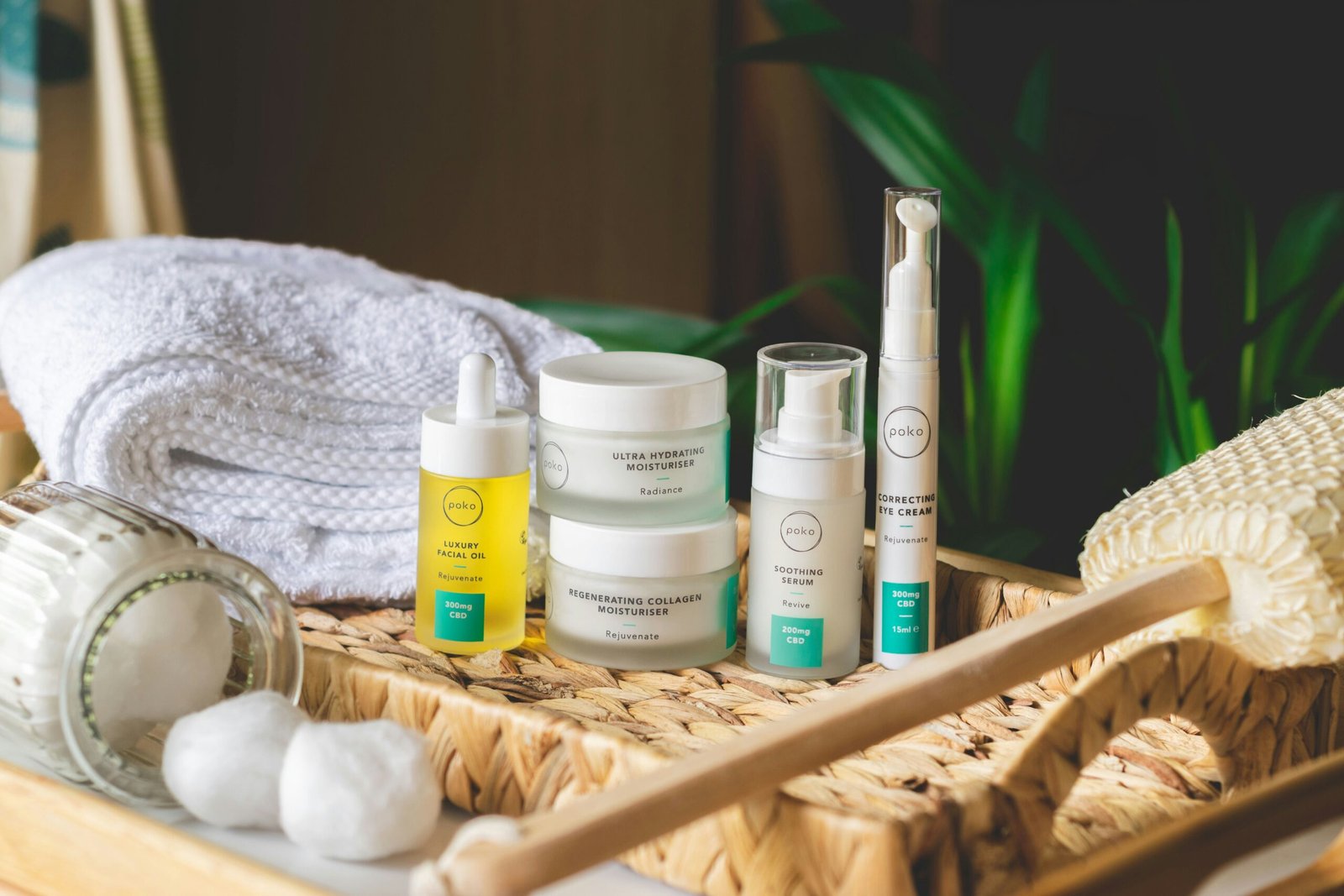
Healthy, radiant skin starts with a solid skincare routine built around proven products and consistent habits. This article breaks down essential categories, key ingredients to look for, and tips to tailor your regimen to your skin type and goals.
Understand Your Skin Type
Before choosing products, identify your skin type:
- Normal: Balanced, not too oily or dry.
- Dry: Flaky, dull, or tight sensation.
- Oily: Shiny, prone to larger-looking pores.
- Combination: Oily T-zone with dryer cheeks.
- Sensitive: Easily irritated or red after using certain ingredients.
Knowing your type helps you pick gentle, effective formulas and avoid ingredients that can trigger irritation or breakouts.
Cleanser: The Foundation of a Healthy Surface
A good cleanser removes dirt, sunscreen, and makeup without stripping skin.
- For dry or sensitive skin: Cream or milky cleansers with hydrating ingredients.
- For normal or oily skin: Gel or foaming cleansers that cleanse without over-drying.
- Key considerations: Choose sulfate-free formulas; avoid pore-clogging fragrances if you’re sensitive.
Common beneficial ingredients: glycerin, ceramides, hyaluronic acid, chamomile, aloe. Use twice daily, and avoid harsh scrubs that can damage the skin barrier.
Hydration: The Hydrating Workhorse
Moisturizers lock in moisture, strengthen the skin barrier, and improve texture.
- For dry skin: Rich creams with ceramides, squalane, and shea butter.
- For normal to oily skin: Lightweight gels or lotions with hyaluronic acid and humectants.
- For sensitive skin: Fragrance-free formulas with soothing components like allantoin or panthenol.
Even combination skin benefits from layering: a lighter gel or lotion during the day and a richer cream at night, focusing on drier areas.
Sun Protection: Essential Everyday Armor
Daily sunscreen is non-negotiable for long-term skin health. Use broad-spectrum SPF 30 or higher.
- Physical (minerals like zinc oxide) sunscreens can be gentler on sensitive skin.
- Chemical sunscreens are lightweight but may cause irritation for some individuals.
- Reapplication every two hours when outdoors is a practical habit.
Tip: Some moisturizers and foundations include SPF, but layering with a dedicated sunscreen ensures reliable protection.
Targeted Treatments: Active Ingredients for Specific Concerns
Active ingredients address concerns such as aging, dullness, hyperpigmentation, and acne. Introduce products gradually to monitor tolerance.
Popular categories:
- Vitamin C (ascorbic acid): Brightening, antioxidant protection, and collagen support. Use in the morning after cleansing and before sunscreen.
- Retinoids (retinol, retinaldehyde, or prescription tretinoin): Promote cell turnover, reduce fine lines, and support even tone. Start slowly (2-3 times per week) and increase frequency as tolerated.
- niacinamide: Anti-inflammatory, helps with barrier repair, improved texture, and oil regulation.
- Hyaluronic acid: Humectant that attracts moisture; suitable for all skin types.
- Alpha-hydroxy acids (AHA) and beta-hydroxy acids (BHA): Exfoliation for dullness and clogged pores. Start with low concentrations and sun protection is essential.
- Sunscreen-compatible antioxidants: Vitamin E, ferulic acid enhance UV protection.
Note: If you’re new to actives, introduce one product at a time and patch-test for 24–72 hours.
Eye and Lip Care: Delicate Skin Needs Special Formulas
The skin around the eyes and lips is thinner and more prone to irritation.
- Eye creams: Look for peptides, caffeine (for puffiness), and antioxidant vitamins. Avoid heavy fragrances.
- Lip balms: Ingredients like ceramides, shea butter, and dimethicone help seal moisture; consider a gentle exfoliant for dry lips.
Budget-Friendly vs. Prestige: Finding Value
Effective skincare doesn’t have to be expensive.
- Look for core ingredients with proven benefits (ceramides, hyaluronic acid, sunscreen, retinoids).
- Start with a simple routine: cleanser, moisturizer, sunscreen, and one active treatment.
- Read labels for fragrance-free or minimal fragrance options if you have sensitivity.
- Consider fewer products with multi-tasking formulations to simplify your routine.
Building a Personal Routine
A balanced routine typically includes:
- Morning: Cleanser → Vitamin C or antioxidant → Moisturizer → Sunscreen.
- Evening: Cleanser → Optional retinoid or exfoliant (on alternate nights) → Moisturizer or facial oil.
- Weekly: Gentle exfoliation or a hydrating mask as needed.
Consistency matters more than chasing every new product. Give ingredients 6–8 weeks to show visible results, barring irritation.
Common Pitfalls to Avoid
- Overloading with too many active ingredients at once.
- Skipping sunscreen or applying it inconsistently.
- Ignoring the skin’s signals (redness, itching, burning).