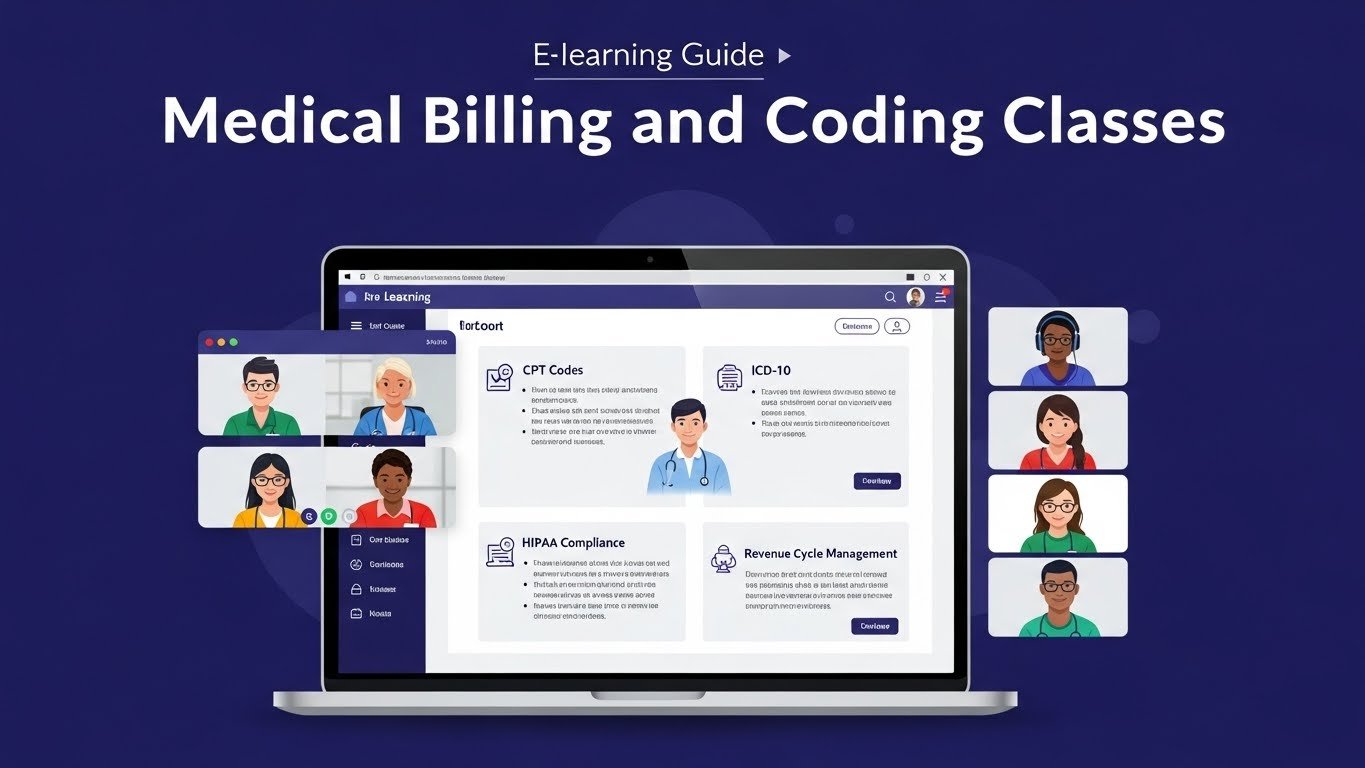
In the ever-evolving field of healthcare, medical billing and coding stand out as essential roles that keep practices running smoothly. For many, online classes offer a flexible path to entering this in-demand profession. This article explores why online education is a strong option, what to look for in a program, key topics covered, certification pathways, and tips to succeed.
Why Choose Online Classes?
Online courses provide several advantages for aspiring medical billers and coders:
- Flexibility: Learn at your own pace, fitting study around work or family commitments.
- Accessibility: Access course materials from anywhere with an internet connection.
- Affordability: Often lower costs than traditional on-campus programs, with options for self-paced study.
- Library of Resources: Many programs include extensive digital libraries, practice datasets, and interactive modules.
- Career Support: Online programs frequently offer career guidance, resume help, and placement services.
However, online learning also requires discipline and good time-management. Look for programs with structured syllabi, regular assessments, and responsive instructor support to stay on track.
What to Look for in a Program
When selecting an online medical billing and coding program, consider:
- Accreditation: Ensure the program is accredited by a recognized body (e.g., Accrediting Commission, or a similar regional/nederal accreditor). This helps with credibility and future employment.
- Curriculum Depth: A strong program covers anatomy and medical terminology, ICD-10-CM/PCS, CPT/HCPCS, E/M coding guidelines, menagerie of payer rules, and coding compliance.
- Certification Preparation: Programs that align with certification exams (e.g., CPC, CCS, CCA, CBCP) can streamline test readiness.
- Faculty Qualifications: Instructors with real-world experience in medical billing and coding enhance learning.
- Hands-On Practice: Access to real or simulated coding databases, audits, and claim submission exercises.
- Job Support: Career services, internship opportunities, and alumni networks can improve job outcomes.
- Technology Platform: User-friendly learning management system (LMS), mobile access, and reliable tech support.
Core Topics Typically Taught
A quality online program generally includes modules such as:
- Medical Terminology and Anatomy: Foundations for accurate coding and effective communication.
- Code Sets and Guidelines: ICD-10-CM/ICD-10-PCS, CPT, HCPCS Level II, and payer-specific guidelines.
- Claims Processing: Submission, rejection management, and denial analysis.
- Compliance and Ethics: HIPAA, patient privacy, and fraud, waste, and abuse awareness.
- Payer Systems and Rules: Understanding how Medicare, Medicaid, and private insurers process claims.
- Privacy and Security: Data protection and security best practices in healthcare.
- Auditing and Revenue Cycle Management: Chart reviews, auditing techniques, and accuracy improvement strategies.
- Software Proficiency: Practice with common EHR/EMR systems and coding software.
- Professional Skills: Communication, teamwork, and critical thinking for coding accuracy.
Certification Pathways
While not always mandatory, certifications increase job prospects and earning potential:
- CPC (Certified Professional C coder): Offered by the AAPC, one of the most recognized credentials for coders.
- CCA (Certified Coding Associate) and CCP (Certified Coding Professional): Also from AAPC, suitable for different experience levels.
- CCS (Certified Coding Specialist): Offered by AHIMA; often favored for hospital settings.
- CBCP (Certified Billing and Coding Professional): A blended credential focusing on both billing and coding.
- RHIT/RHIA (Registered Health Information Technician/Architect): Broader health information management credentials from AHIMA, useful for career growth.
Many online programs include exam prep materials, simulated tests, and study guides to help you prepare for these certifications.
Getting Started: A Step-by-Step Plan
- Assess Your Goals: Decide whether you want to work in clinics, hospitals, or billing firms, and which certification aligns with your target role.
- Choose an Online Program: Compare accreditation, curriculum, cost, and support services.
- Enroll and Schedule: Create a realistic study plan that accommodates work and family commitments.
- Build Practical Skills: Engage in exercises, claims simulations, and audits; seek internships if possible.
- Prepare for Certification: Use exam prep resources provided by the program; join study groups if available.
- Launch Your Career: Update your resume with your credentials, highlight hands-on experience, and leverage career services.
Tips for Succeeding in Online Learning
- Create a Dedicated Study Space: A quiet area with reliable internet reduces distractions.
- Set a Consistent Schedule: Treat online courses like a part-time job with fixed study blocks.
- Engage with Instructors and Peers: Participate in discussion boards, ask questions, and form study circles.
- Practice Regularly: Frequent coding practice improves accuracy and speed.
- Stay Updated: Healthcare rules change; stay current with coding guidelines and payer policies.
- Prepare for Certification Early: Plan timelines to align with exam windows and application deadlines.
Conclusion
Online classes for medical billing and coding offer a practical pathway into a stable, growing field. With the right program, you can gain essential coding skills, learn the ins and outs of the revenue cycle, and pursue valuable certifications that boost employability across clinics, hospitals, and health information organizations. If you’d like, tell me your location, budget, and certification target, and I’ll help you shortlist reputable online programs that fit your needs.