
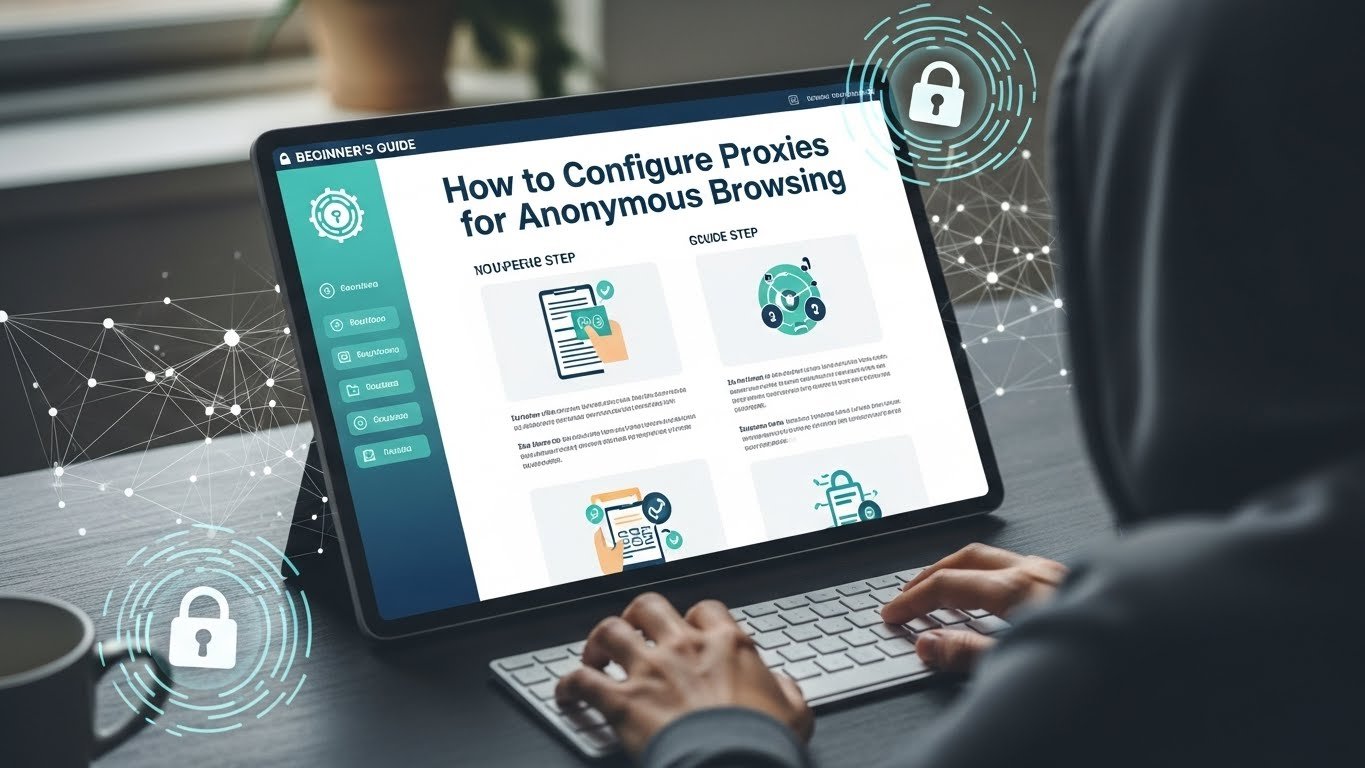
Proxies can be a powerful tool for privacy and access, but getting started can feel daunting. This beginner’s guide walks you through the basics, from what anonymous browsing actually means to step-by-step setup on common platforms. By the end, you’ll know how to configure a proxy confidently, understand the trade-offs, and recognize common pitfalls.
What is Anonymous Browsing, and Why Use a Proxy?
Anonymous browsing means surfing the web without revealing your real IP address. Proxies act as intermediaries between your device and the internet, masking your origin and sometimes encrypting your requests. People use proxies to:
- Access region-restricted content
- Add a layer of privacy against casual tracking
- Test how a site appears from different locations
Important caveats:
- Proxies aren’t foolproof. Some logs or leaks can reveal identifying information.
- Legal and policy considerations vary by country and organization.
- Free public proxies can be slow or unsafe; choose reputable providers or private proxies when possible.
Proxy Types: Quick Overview
| Type | What it is | Pros | Cons |
|---|---|---|---|
| HTTP/HTTPS proxies | Routes web traffic for browsers and apps | Simple, widely supported | Only supports HTTP(S) traffic; less secure |
| SOCKS proxies (4/5) | Lower-level proxy usable by many apps | Broad compatibility, supports multiple protocols | Generally requires configuration in each app |
| Transparent proxies | Don’t hide your IP; mainly for filtering | Easy to deploy | Not for anonymity; defeats purpose |
| Anonymous proxies | Hide IP, reduce traceability | Better privacy than transparent | May still leak via WebRTC or DNS |
| Elite proxies | Maximum anonymity | Strongest privacy from the proxy layer | Usually higher cost |
Prerequisites and Safety
- Check local laws and employer policies before using proxies.
- Avoid free/public proxies for sensitive tasks.
- Consider reputable providers or setting up your own proxy server.
How Proxies Work
When you configure a proxy, your device sends requests to the proxy server, which forwards them to the destination. The destination sees the proxy’s IP, not yours. Some proxies also modify headers to reduce fingerprinting, but misconfigurations can leak information (DNS leaks, WebRTC leaks). Authentication may be required to prevent misuse.
Step-by-Step: Configuring a Proxy on Popular Platforms
Desktop Operating Systems
- Windows: Use Internet Options > Connections > LAN Settings to configure a proxy.
- macOS: System Preferences > Network > Advanced > Proxies.
- Linux: Varies by distro; common methods include environment variables (http_proxy, https_proxy) or configuring through browser settings.
Web Browsers
- Chrome/Edge: Settings > System > Open your computer’s proxy settings (per-site proxies can be configured in some cases).
- Firefox: Options > General > Network Settings > Manual proxy configuration.
Mobile Devices
- iOS: Settings > Wi‑Fi > (i) > Configure Proxy.
- Android: Settings > Network & internet > Wi‑Fi > Advanced > Proxy.
Browser-Level vs System-Level Proxies
- Browser-level: Useful for testing or per-site requirements; easier to adjust for specific sites.
- System-level: Applies to all apps; better for consistent anonymity but can cause conflicts with some services.
- Mitigations: Enable DNS over HTTPS (DoH) where possible; disable WebRTC leaks in browser settings.
Authentication and Access Control
- Use strong credentials for proxy access.
- If possible, implement IP whitelisting and rotating proxies to reduce risk.
- Keep credentials secure (use a password manager).
Verifying Anonymity and Functionality
- Check your apparent IP with a site like “what is my IP” to ensure the proxy’s IP is shown.
- Test for DNS leaks and WebRTC leaks; disable features that reveal your address.
- If pages fail to load, try a different proxy, check authentication, or verify network settings.
Table: Quick Troubleshooting Checklist
| Issue | Likely Cause | Quick Fix |
|---|---|---|
| Page doesn’t load | Proxy server is down | Try another proxy or check status |
| IP not masked | DNS/WebRTC leaks | Enable DoH, disable WebRTC leak |
| Authentication fails | Wrong credentials | Reset password or reconfigure credentials |
| Slow speeds | High latency or overloaded proxy | Switch to a closer proxy or use a proxy pool |
Performance and Maintenance
- Expect some latency; choose proxies with good uptime metrics.
- If you rely on proxies, maintain a small pool to switch in case of failures.
- Regularly update proxy configurations and credentials.
Legal and Ethical Considerations
- Respect terms of service and applicable laws.
- Use proxies for privacy, not for illegal activity.
- Be mindful of data handling and logging policies of your provider.
Next Steps
- Choose a reputable proxy provider or set up your own proxy server.
- Test privacy, speed, and reliability with representative tasks.
- Create a simple checklist to review configurations periodically.
If you’d like, I can tailor this post further—for example, by focusing on a specific audience (beginners vs. intermediate users), adjusting the tone (informative, conversational, or tutorial), or optimizing for SEO with targeted keywords. Tell me your preferred tone, target audience, and any keywords you want to emphasize.


2 thoughts on “How to Configure Proxies for Anonymous Browsing — A Beginner’s Guide”