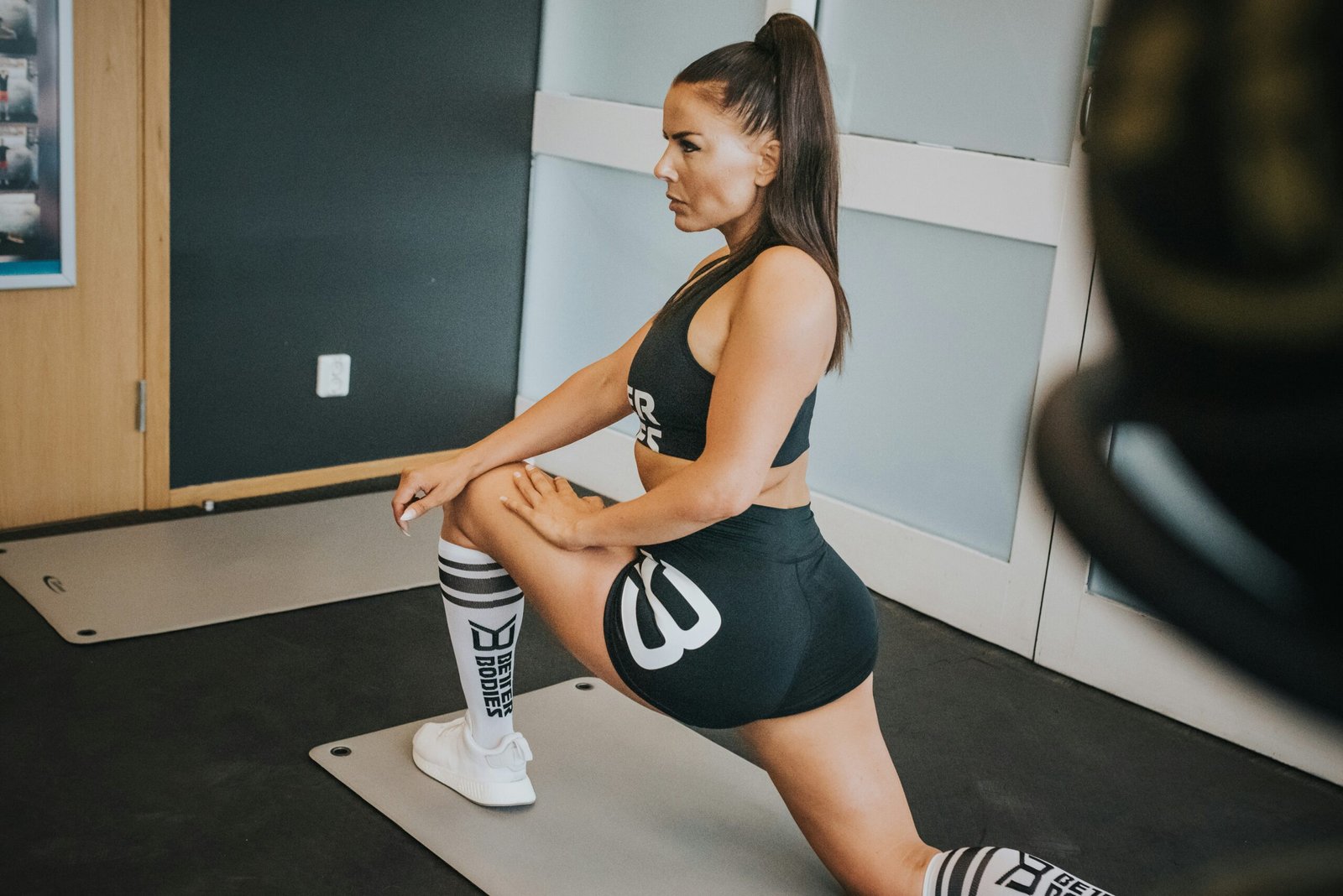
Regular physical activity is a powerful prescription for a healthier body and a sharper mind. From boosting mood to strengthening muscles, the benefits of fitness extend across physical, cognitive, and emotional domains. This article summarizes the science behind how exercise supports well-being and offers practical guidance to incorporate movement into daily life.
The Physical Benefits: Strength, Endurance, and Longevity
Exercise strengthens the cardiovascular system, increases muscular strength, and enhances flexibility and balance. Aerobic activities like walking, running, cycling, and swimming improve heart health, while resistance training builds bone density and lean muscle mass. Over time, consistent activity lowers resting heart rate, reduces blood pressure, and improves metabolic regulation, contributing to greater energy and resilience. Regular physical activity is also linked to longer life expectancy and reduced risk of chronic diseases such as type 2 diabetes, obesity, and some cancers.
Mental Health Gains: Mood, Anxiety, and Stress Resilience
Movement triggers the release of endorphins and other neurotransmitters that elevate mood and create a sense of well-being. Exercise is a proven intervention for mild to moderate depression and anxiety, often comparable to psychological therapy or medication for some individuals. It also reduces stress hormones like cortisol and enhances sleep quality, which further supports emotional stability. Regular activity fosters self-efficacy, a sense of accomplishment from meeting fitness goals, which can improve confidence and reduce negative thinking.
Cognitive Benefits: Focus, Memory, and Brain Health
Physical activity supports brain health across the lifespan. Aerobic exercise increases blood flow to the brain, promoting neurogenesis and plasticity. Resistance training and balance-focused routines can improve executive function, memory, and processing speed. Maintaining an active lifestyle is associated with better attention, learning, and a lower risk of cognitive decline and neurodegenerative diseases in later years.
Sleep, Energy, and Quality of Life
Exercise naturally enhances sleep quality by helping regulate circadian rhythms and reducing arousal at night. Better sleep translates into improved daytime energy, mood, and productivity. Even moderate activity, performed consistently, yields noticeable improvements in daily vitality and overall life satisfaction.
Practical Guidelines: How to Get Started and Stay Consistent
- Set Realistic Goals: Start with attainable targets (e.g., 150 minutes of moderate activity per week) and gradually increase intensity or duration.
- Find Enjoyable Activities: Choose workouts you genuinely enjoy to improve adherence, whether it’s walking, dancing, cycling, or team sports.
- Mix Modalities: Combine cardio, strength, flexibility, and balance training for well-rounded health benefits.
- Prioritize Consistency Over Intensity: Regular short sessions often yield better long-term results than sporadic intense workouts.
- Create a Routine: Schedule workouts like appointments, and pair movement with cues (commute, lunch break) to build habit.
- Listen to Your Body: Allow for rest and recovery, especially after new or intense activities; consult professionals if you have health concerns.
Barriers and Solutions
Common barriers include time constraints, motivation dips, and fear of injury. Solutions involve micro-workouts (short, scalable sessions), social support (fitness groups or workouts with friends), and professional guidance (training plans, physiotherapist consultation). Technology, such as fitness apps and wearables, can provide reminders, track progress, and offer personalized recommendations.
The Bottom Line
Regular fitness is a versatile medicine that supports both body and mind. By combining aerobic activity, strength training, and healthy sleep and nutrition, individuals can experience improved mood, sharper cognition, better physical health, and a higher quality of life. Start small, stay consistent, and gradually expand your routine to enjoy enduring benefits that extend far beyond the gym