
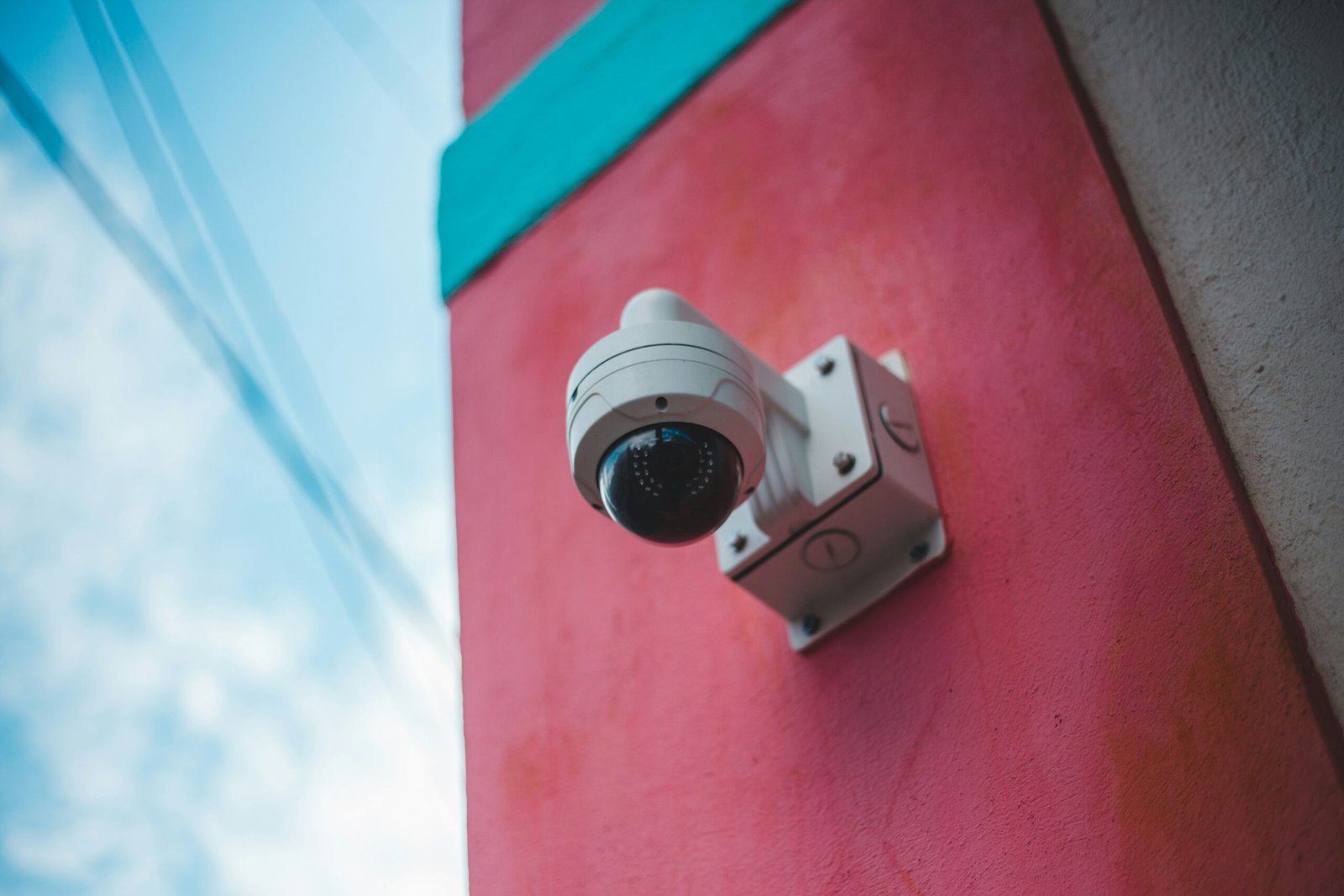
Artificial intelligence is transforming home security from reactive alerts to proactive protection. Modern systems deploy AI-powered cameras and sensors that learn typical household patterns. Instead of triggering every time a door opens, these devices recognize familiar faces and activities, reducing false alarms. Facial recognition and gait analysis help identify residents and trusted visitors, while anomaly detection flags unusual movements or unattended doors, prompting timely responses. This shift from simple motion detection to contextual understanding makes home security more reliable and less intrusive.
Advanced Video Analytics: From Clips to Insights
Video analytics have evolved far beyond recording footage. AI analyzes streams in real time, distinguishing people, pets, vehicles, and packages. Some systems can track a moving person across multiple cameras, creating a cohesive sequence of events rather than isolated clips. AI also enhances low-light and infrared footage, improving identification accuracy at night. The result is richer, searchable evidence and faster incident resolution for homeowners and authorities.
Smart Access Control: Voice, Face, and Zut
Smart locks and access control are getting AI-enabled intelligence. With machine learning, access systems can adapt to a household’s routines, granting temporary access to guests or service providers while maintaining a detailed audit trail. Voice-activated entry, combined with facial recognition or passcodes, adds convenience without sacrificing security. AI can also detect unusual access patterns, such as repeated failed attempts at odd hours, and trigger escalated responses.
Anomaly Detection and proactive Alerts
Traditional security systems rely on user-initiated alerts. AI-powered systems continuously monitor for anomalies, such as unexpected entry patterns or windows being opened during unusual times. When detected, the system can automatically notify homeowners, contact monitoring services, or even dispatch authorities, depending on user preferences. This proactive approach reduces the time between incident onset and response, potentially minimizing damage or loss.
Edge Computing and Privacy: Processing at the Source
To protect privacy and reduce latency, many AI security features run on-device (edge computing). Processing data locally minimizes cloud transmission, lowering the risk of data breaches and improving response times. While cloud-based AI offers powerful analytics, homeowners can often choose a hybrid setup that keeps sensitive data on-site and uses the cloud for broader pattern analysis. Clear privacy settings and transparent data usage policies are essential in today’s AI-enabled security landscape.
Integration with Smart Home Ecosystems
AI security systems are increasingly designed to work within broader smart home ecosystems. They integrate with lighting, climate control, doorbells, and voice assistants to create coordinated responses. For instance, a detected intruder could trigger outdoor lights, silent alarms, and a notification simultaneously, creating an effective deterrent. This interoperability enhances overall home safety while simplifying user experience.
Monitoring Services and Human-in-the-Loop
AI has not eliminated the human element from security. Many systems connect to professional monitoring services that review AI-generated alerts. Operators can verify incidents, filter out false positives, and dispatch help as needed. Some providers offer “human-in-the-loop” features where experts quickly interpret AI findings, combining speed with professional judgment to avoid unnecessary panic or police involvement.
Ethical and Legal Considerations
As AI becomes more capable, ethical and legal concerns arise. Facial recognition and surveillance can raise privacy issues, particularly in shared or public spaces. Users should review device privacy policies, data retention timelines, and opt-out options. Compliance with local laws regarding video surveillance and biometric data is essential. Responsible installation includes limiting data access, securing networks, and educating household members about how AI features work.
What Homeowners Should Know
- Start with a clear plan: identify priority areas (entry points, high-traffic zones) and desired response levels.
- Prioritize on-device processing where possible to protect privacy and performance.
- Favor systems with transparent data policies and easy controls for disabling certain features.
- Ensure strong network security: unique passwords, encrypted communications, and regular firmware updates.
- Consider a scalable setup that can learn routines and adapt to life changes, such as new family members or renovations.
- In short, AI is elevating home security from a reactive alarm system to a proactive, intelligent shield. By enhancing detection accuracy, improving response times, and integrating with broader smart-home workflows, AI-enabled security offers homeowners greater peace of mind without sacrificing convenience.



3 thoughts on “How AI is Changing Home Security Systems”