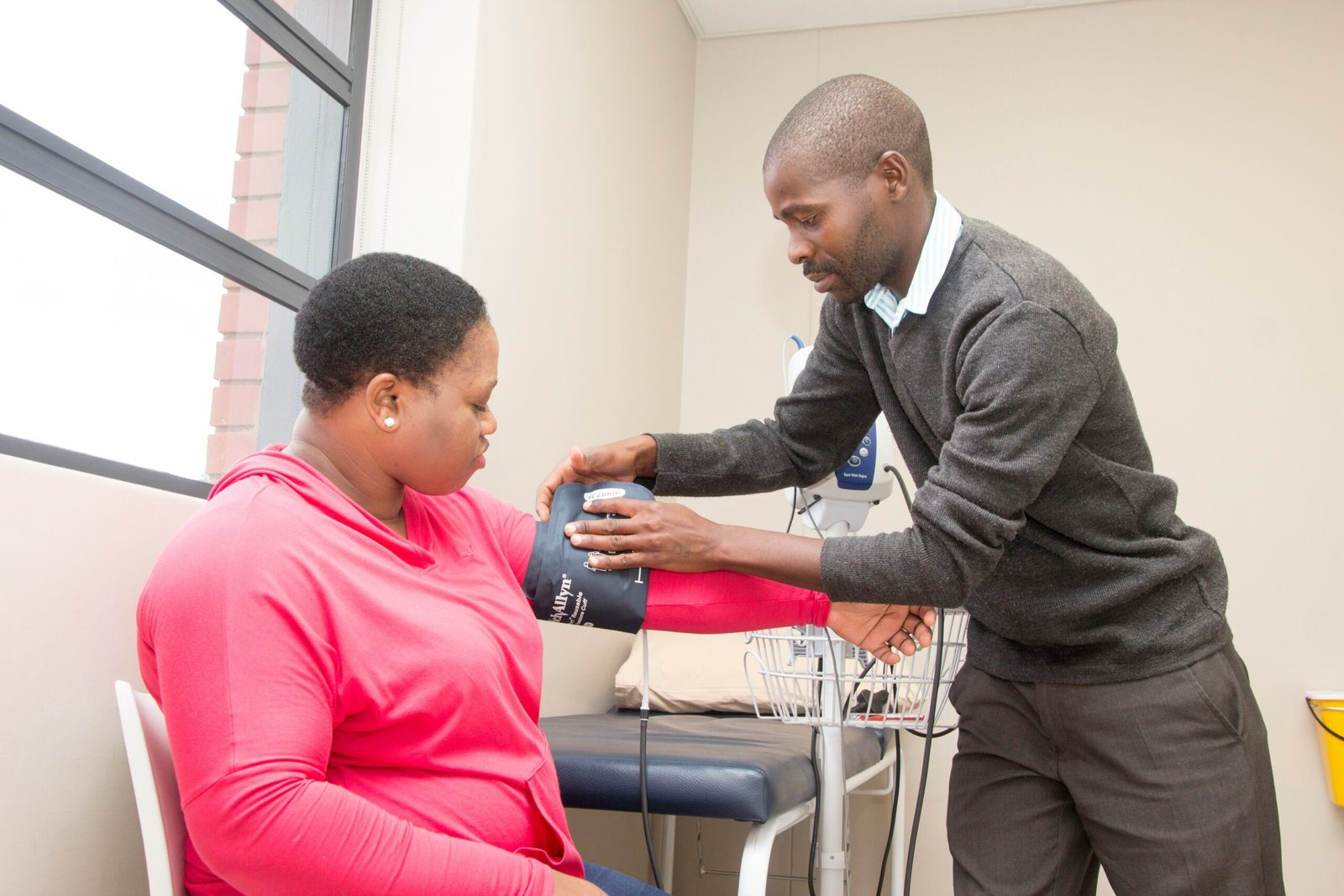
The healthcare landscape in 2026 is defined by rapid technological advancement, shifting patient expectations, and a growing emphasis on personalized, value-based care. Patients are no longer passive recipients of medical services; instead, they are active participants in decisions that affect their health and well-being. Empowering patient care has become a central goal for healthcare systems worldwide, supported by digital innovation, data-driven insights, and a renewed focus on human-centered medicine.
The Rise of Patient-Centered Healthcare
At the heart of empowered patient care is the transition from provider-centered to patient-centered healthcare. In 2026, healthcare organizations prioritize patient preferences, values, and experiences alongside clinical outcomes. Shared decision-making models encourage open communication between patients and healthcare providers, ensuring that treatment plans align with individual goals and lifestyles.
This shift is reinforced by increased access to health information. Patients can easily review medical records, test results, and treatment options through secure online portals. With greater transparency, patients are better equipped to understand their conditions and actively engage in managing their health.
Digital Health Technologies and Accessibility
Digital health technologies play a critical role in empowering patient care. Telemedicine, once considered a convenience, is now a standard component of healthcare delivery. In 2026, virtual consultations allow patients to connect with healthcare professionals regardless of geographic location, reducing barriers to care and improving access for rural and underserved populations.
Remote patient monitoring devices, such as wearable sensors and smart medical equipment, enable continuous tracking of vital signs and chronic conditions. These technologies provide real-time data to clinicians, allowing for early intervention and personalized treatment adjustments. Patients benefit from greater independence, as they can manage their health from home while remaining closely connected to care teams.
Artificial Intelligence and Personalized Treatment
Artificial intelligence (AI) has become a powerful tool in delivering personalized patient care. In 2026, AI-driven systems analyze large volumes of clinical data, genetic information, and lifestyle factors to support accurate diagnoses and tailored treatment plans. These technologies help clinicians identify patterns and predict health risks, enabling preventive care rather than reactive treatment.
For patients, AI-powered health assistants and mobile applications offer personalized recommendations, medication reminders, and symptom tracking. These tools enhance self-care and encourage healthier behaviors, empowering patients to take an active role in maintaining their well-being.
Data Security and Patient Trust
As healthcare becomes increasingly digital, protecting patient data is essential to maintaining trust. In 2026, robust cybersecurity measures and strict data governance frameworks are integral to healthcare systems. Patients have greater control over how their data is shared and used, with transparent consent processes and clear communication about data privacy.
Blockchain technology and advanced encryption methods are being adopted to secure medical records and ensure data integrity. By safeguarding sensitive information, healthcare providers reinforce patient confidence and support wider adoption of digital health solutions.
Health Equity and Inclusive Care
Empowering patient care also means addressing disparities in healthcare access and outcomes. In 2026, healthcare systems are more focused on equity, ensuring that technological advancements benefit all populations. Multilingual digital platforms, culturally sensitive care models, and community-based outreach programs help bridge gaps for marginalized groups.
Public and private initiatives aim to improve digital literacy, enabling patients to confidently use health technologies. By removing social, economic, and technological barriers, healthcare providers can deliver more inclusive and equitable care, empowering patients from diverse backgrounds.
The Role of Healthcare Professionals
While technology is transforming patient care, the human element remains essential. In 2026, healthcare professionals act not only as caregivers but also as educators and advocates. Training programs emphasize communication skills, empathy, and collaboration, ensuring that patients feel heard and respected.
Interdisciplinary care teams—comprising physicians, nurses, pharmacists, and digital health specialists—work together to provide holistic care. This collaborative approach improves coordination, reduces errors, and enhances patient satisfaction, reinforcing a sense of partnership between patients and providers.
Preventive and Value-Based Care Models
Empowered patient care in 2026 is closely linked to preventive and value-based care models. Healthcare systems focus on keeping patients healthy rather than solely treating illness. Preventive screenings, lifestyle coaching, and early intervention programs help reduce the burden of chronic diseases.
Value-based care aligns provider incentives with patient outcomes, encouraging high-quality, efficient care. Patients benefit from improved health outcomes, reduced costs, and a more transparent healthcare experience. These models promote accountability and support long-term patient engagement.
Challenges and Future Outlook
Despite significant progress, challenges remain in empowering patient care. Integration of new technologies, workforce adaptation, and regulatory compliance require ongoing effort. Ensuring data interoperability and maintaining equitable access continue to be priorities for healthcare leaders.
Looking ahead, the future of patient care will be shaped by continued innovation and collaboration. As technology evolves and patient expectations grow, healthcare systems must remain adaptable and patient-focused. Empowerment is not a single solution but an ongoing commitment to improving care delivery and outcomes.
Conclusion
In 2026, empowering patient care is a defining principle of modern healthcare. Through digital innovation, personalized treatment, equitable access, and strong patient-provider partnerships, healthcare systems are creating more responsive and effective care experiences. By placing patients at the center of healthcare decisions and embracing both technology and compassion, the industry is building a future where individuals are informed, engaged, and empowered to take control of their health.